Cart
0
Long before the term "clean beauty" ever appeared on a product label, women around the world already knew how to care for their skin.
Ancient Egyptians massaged olive oil into their skin and applied aloe vera for healing and hydration — rituals that predate any laboratory by thousands of years. Ayurvedic traditions across India built entire philosophies of skin health around botanical extracts, turmeric, and neem. Traditional Chinese medicine understood the relationship between internal balance and outward skin appearance centuries before modern dermatology had a name for it. African healing traditions drew on baobab, marula, black seed oil, and shea — a butter so rich in fatty acids and vitamins that West African women have used it for centuries to nourish, protect, and heal skin through every season of life — not as trends, but as sacred, community-held knowledge passed down through generations.
These weren't guesses. They were refined practices, tested across generations, cultures, and climates. The results spoke for themselves — and still do.
The natural skincare movement isn't new. It's actually very, very old. What's new is the industry that's trying to package, define, and in some cases, discredit it.
What "Clean Beauty" Really Means — And What It Doesn't
Here's something the beauty industry rarely says out loud: "clean beauty" has no legal definition. Not in Canada. Not in the United States. Not anywhere that a regulatory body actually enforces it.
It is a marketing term — one that any brand can use, with any meaning they choose to attach to it. Some use it to mean free from parabens. Others extend it to sulfates, synthetic fragrance, mineral oil, or phthalates. Some layer in sustainability claims. Some use it with nothing behind it at all.
This ambiguity isn't accidental. In a market where consumers are increasingly asking better questions about what goes on their skin, "clean beauty" became a way to signal alignment with those values — without committing to a specific standard. It costs nothing to say. It promises everything and defines nothing.
We use the term "clean beauty" sometimes, because it helps people find us. But we want to be honest with you about what it means — and more importantly, what we mean when we talk about the way we formulate.
Why the Commercial Industry Has a Complicated Relationship With Natural Skincare
Here's where it's worth pausing to name something directly.
The narrative that "natural isn't proven" or "natural can be dangerous too" — a framing that's become increasingly common in beauty media — doesn't exist in a vacuum. It serves a purpose. When natural ingredients are cast as unpredictable or risky, it benefits the commercial industry's investment in patented synthetic alternatives.
This isn't a conspiracy theory. It's a pattern worth recognizing.
The truth is that modern cosmetic research has repeatedly returned to natural ingredients to understand why they work — not whether they work. Compounds like antioxidants, plant-derived fatty acids, and botanical extracts are now being studied in controlled settings precisely because their real-world effectiveness was already documented across centuries of traditional use. Science is catching up, not leading.
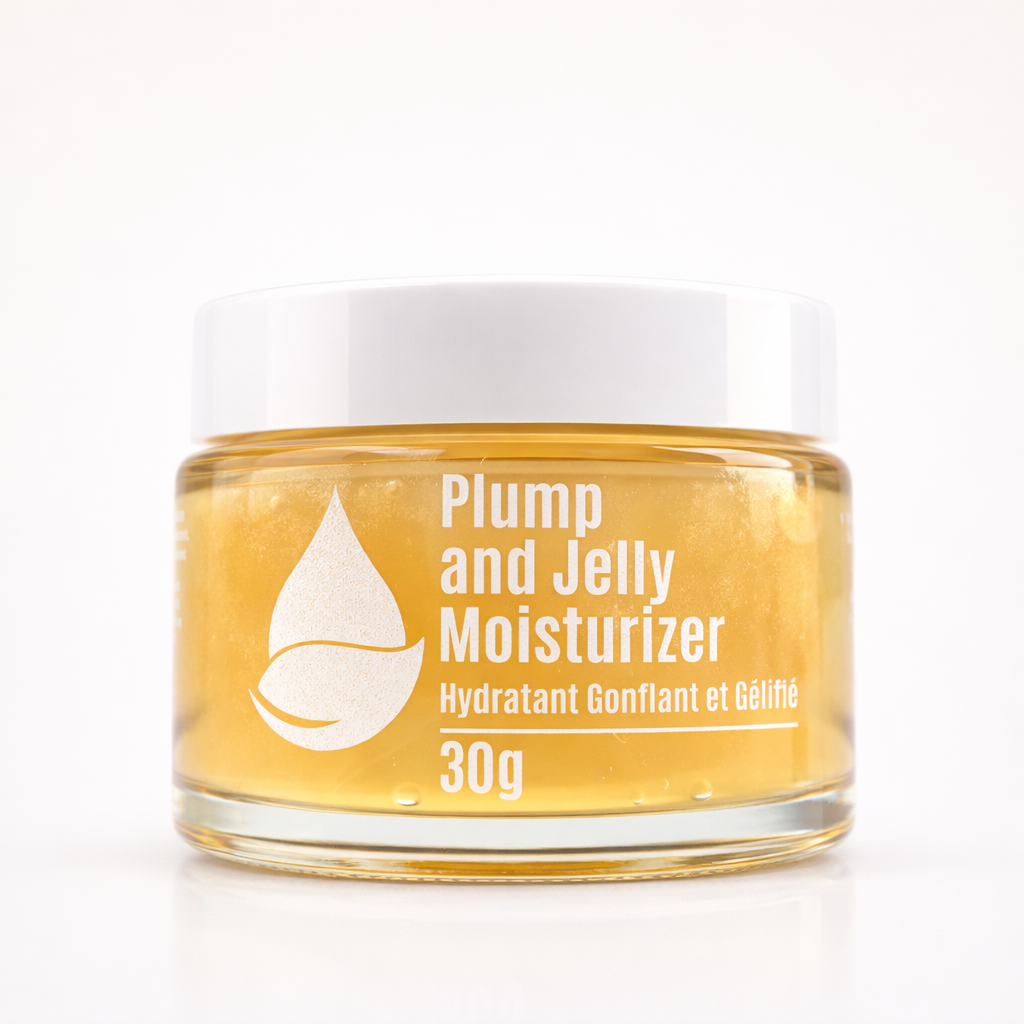
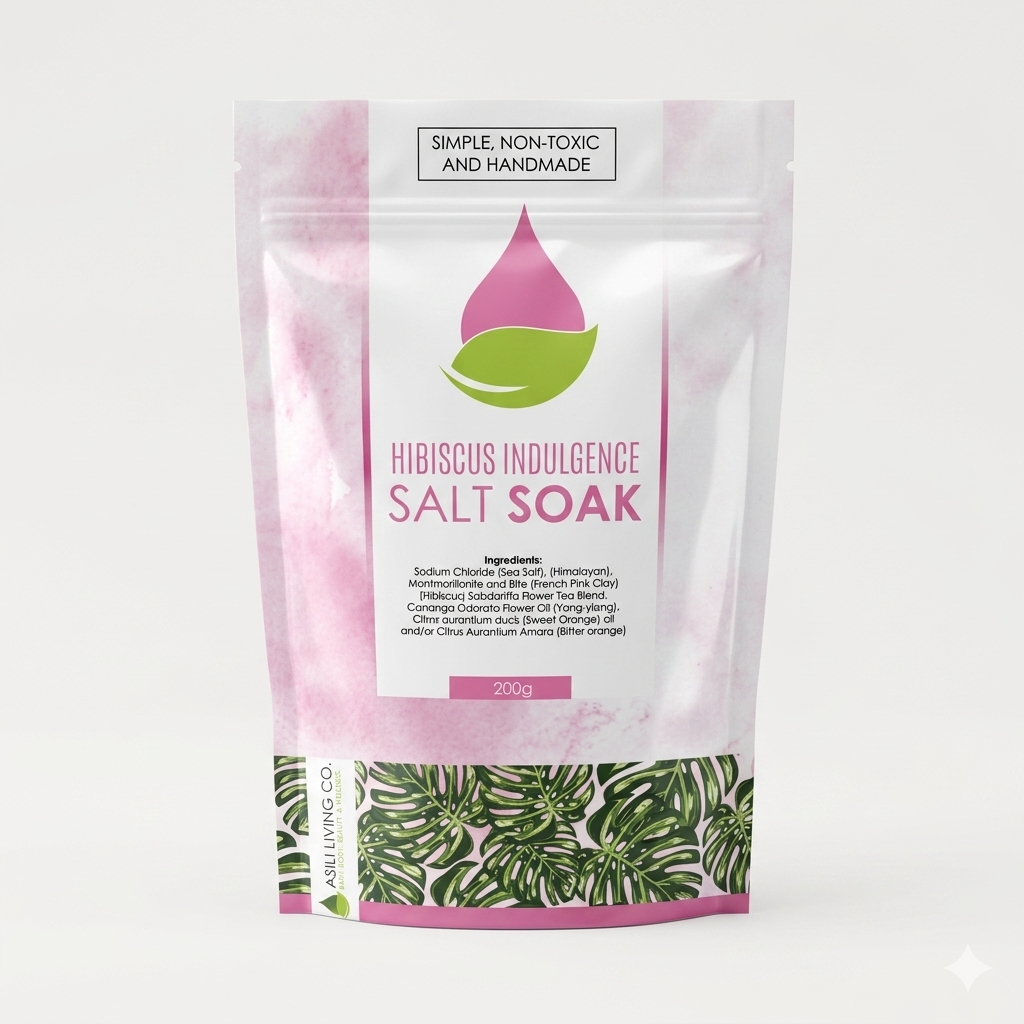
Tremella mushroom — one of the hero ingredients in our Plump & Jelly Moisturizer — has been prized in East Asian wellness traditions for generations for its ability to support luminous, supple skin. Licorice root has been used in Ayurvedic and Traditional Chinese Medicine for centuries for its brightening and soothing properties. And across the Caribbean, the sea bath has long been a healing ritual — saltwater, seaweed, and botanicals used to draw out inflammation, restore the skin's mineral balance, and reconnect the body to something elemental and restorative. These weren't practices waiting for clinical validation. They were already working — deeply, quietly, and for a very long time.
That history deserves respect. Not dismissal.
Holding Nuance Without Fear
Being rooted in natural and traditional skincare doesn't mean ignoring evolving questions. And here's where we want to be genuinely honest with you — because we think you deserve that.
Some naturally derived ingredients have raised questions in scientific literature that are worth being aware of. Lavender, for example, has been the subject of studies examining whether certain of its compounds — linalool and linalyl acetate — show estrogenic activity in laboratory cell studies. Licorice root contains glabridin, a compound identified in some research as having phytoestrogenic properties in cell and animal models.
We want to be clear about what this means — and what it doesn't.
These findings come primarily from in vitro (cell-based) and animal studies, not from human clinical trials using topical products at normal cosmetic concentrations. A 2020 systematic review found little to no evidence to support a link between lavender essential oil and endocrine disruption in real-world use. A 2022 epidemiological study of 556 children found no greater prevalence of endocrine-related outcomes among those exposed to lavender products. The research remains open, contested, and inconclusive.
We raise these questions not to alarm you — and not to suggest that traditional botanicals are unsafe. We raise them because being hormone-conscious means staying informed, not staying quiet. It means holding space for nuance rather than either dismissing concerns or amplifying them beyond what the evidence supports.
It also means being clear about one thing: the ingredient with the strongest, most consistent, and most well-documented link to hormone disruption in personal care products is synthetic fragrance — not a traditional botanical. That's where the evidence is clearest. And it's exactly why fragrance-free formulation is non-negotiable for us.